
This is where the oilfield and the interstate meet. Atascosa County is a Railroad Commission Eagle Ford county and it is also the I-37 corridor between San Antonio and the Gulf.
The Railroad Commission lists Atascosa among the 27 counties of the Eagle Ford Shale. It is also crossed by I-37 running from San Antonio toward Corpus Christi and the Gulf ports, and by US-281 heading south. That combination — production traffic and through freight on the same two-lane roads and the same interstate — is what produces the cases here.
TxDOT recorded 129 crashes involving a commercial motor vehicle in Atascosa County in 2024. In a county of this size that is a substantial number, and it reflects vehicle miles that have far more to do with the industry than with the population.
Jourdanton, Pleasanton, Poteet, Lytle and Charlotte are all within about forty-five minutes of our office. Cases are filed in Jourdanton.
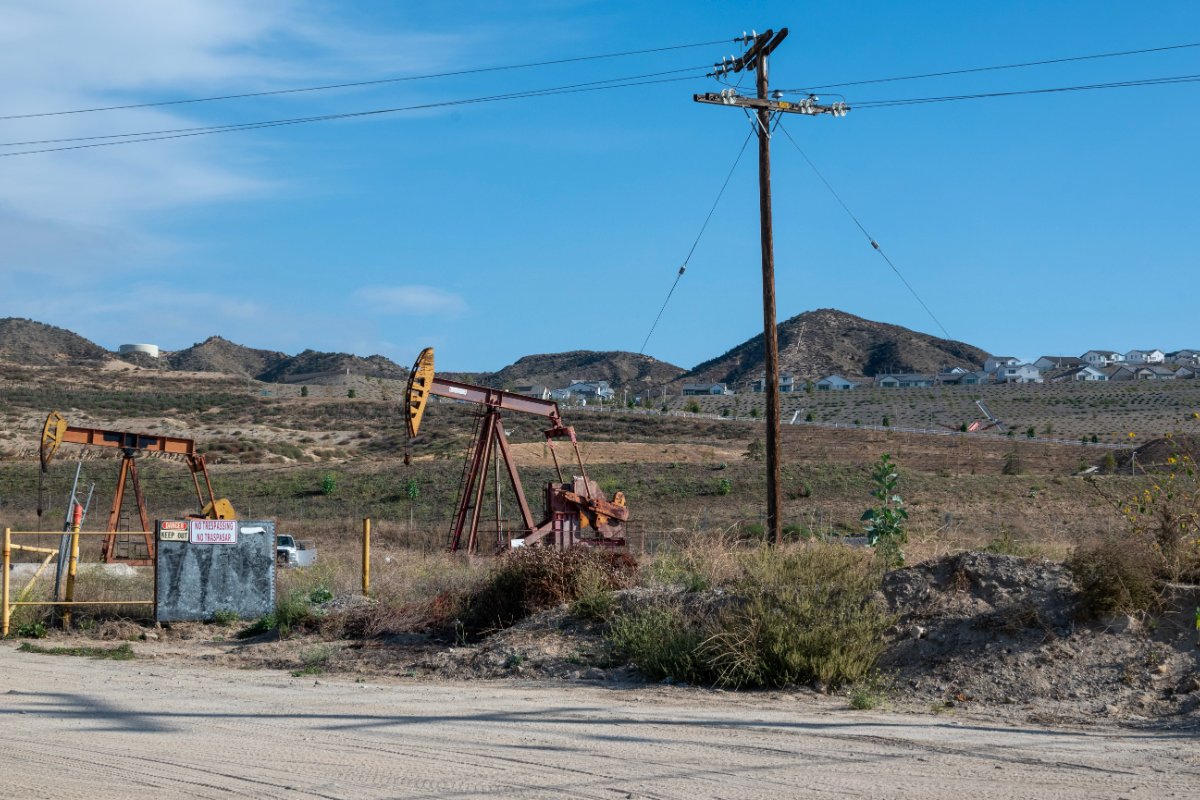
People assume an oilfield injury case means a well-site injury. Nationally, the data says otherwise. NIOSH’s study of 470 oil and gas extraction deaths between 2014 and 2019 found vehicle incidents were the single largest cause at 26.8% — well ahead of contact injuries at 21.7% and explosions at 14.5%. OSHA puts it more bluntly: roughly four of every ten workers killed on the job in this industry die in highway incidents.
Every barrel produced in Atascosa County moves by truck before it reaches a pipeline or a terminal, along with water, sand, chemicals, pipe and equipment. The crews doing that work drive long distances on rural roads at the beginning and end of long shifts.
The result is a county where a serious injury case may be a workers’ compensation claim, a third-party claim against another carrier, a non-subscriber negligence suit, or some combination — and where sorting out which is the first task.
Oilfield trucking runs on a modified clock, and the exceptions are narrower than carriers sometimes treat them.
49 C.F.R. § 395.1(d)(1) allows, for commercial motor vehicles “used exclusively in the transportation of oilfield equipment, including the stringing and picking up of pipe used in pipelines, and servicing of the field operations of the natural gas and oil industry,” any period of 8 consecutive days to end with an off-duty period of 24 or more successive hours — a shortened restart.
Section 395.1(d)(2) goes further: for “specially trained drivers of commercial motor vehicles that are specially constructed to service oil wells,” on-duty time excludes waiting time at a well site, and that waiting time does not count toward the 14-hour period.
That second exception requires both a specially trained driver and a purpose-built well-servicing vehicle. Applied to an ordinary tractor-trailer hauling sand or water, it is not a loophole — it is a violation, and the logs will show it. Layer on the Texas intrastate rule (12 hours driving after 8 off, no driving after 15 on duty, under 37 Tex. Admin. Code § 4.12) and a great deal of Atascosa County hauling is running on a fatigue schedule quite different from what anyone assumes.
A great many oilfield service contractors are non-subscribers — they carry no workers’ compensation insurance at all. Roughly a quarter of Texas private employers fall into that category.
Against a non-subscriber, Tex. Lab. Code § 406.033(a) strips the employer of its three best defenses: it may not argue that the employee was contributorily negligent, that the employee assumed the risk, or that a fellow employee caused the injury. Your own share of fault does not reduce your recovery at all. Pre-injury waivers are void under § 406.033(e), and a post-injury waiver is invalid unless it was voluntary, knowing, conspicuous, in writing, followed a medical evaluation, and signed no earlier than the tenth business day after the injury was first reported.
If the employer did subscribe, comp is generally the exclusive remedy against it under § 408.001 — with a narrow exception in § 408.001(b) permitting the surviving spouse or heirs of the body to recover exemplary damages where a death was caused by gross negligence. But that bar protects only your employer. The operator, the other service companies, and any trucking company involved remain potential third-party defendants.
Jourdanton, Pleasanton, Poteet, Lytle or Charlotte. There is no charge for the consultation and no obligation.
Equipment returns to rental yards, sites get restored, and a tractor is back under load within days. The driver’s records of duty status are protected for six months and no longer.
Whether your employer subscribed to workers’ compensation, and which other companies were on the job or on the road.
Whether the § 395.1(d) oilfield exceptions actually applied to this vehicle and this driver — they are narrower than carriers often assume.
Potentially both, and that is the point. Vehicle incidents are the leading cause of death in oil and gas extraction. Whether you have a workers’ compensation claim, a third-party claim against the other driver or carrier, or a negligence suit against a non-subscribing employer depends on who was at fault and whether you were in the course and scope of employment. The hours-of-service analysis under § 395.1(d) is frequently central.
Only if they actually carry workers’ compensation. If they are a non-subscriber running a private occupational injury benefit plan, you can sue them directly for negligence — and under Tex. Lab. Code § 406.033(a) they cannot argue you were at fault. Verify their coverage status with the Texas Department of Insurance, Division of Workers’ Compensation, rather than taking anyone’s word for it. And do not sign a release before a lawyer reads it.
Usually, if that is where the incident occurred or where a defendant resides. Atascosa County juries are drawn from communities where many people have worked in or around this industry, which cuts in more than one direction and is worth understanding rather than assuming. We handle the filing and the travel.
Within days if possible. Equipment goes back to rental yards in Pleasanton and Kenedy, sites are restored, crews rotate to another county, and telematics and gas monitor data get overwritten. The federal six-month floor on a driver’s records of duty status applies out here the same as anywhere else.
We are about forty-five minutes away and we know these roads. Call (210) 832-9090.