
Rig fires, well blowouts, tank battery and flowback explosions across the Eagle Ford Shale. Sadovsky & Ellis represents burned workers and the families of those who did not come home, from San Antonio to Eagle Pass.
An oilfield explosion is almost never an accident in the legal sense. Gas that should have been vented, a tank that should have been gauged from a distance, a wellhead that should have been shut in, a hot-work permit that was never pulled. Someone decided to skip a step, and a worker paid for it.
Because the injured worker is usually employed by a contractor rather than the operator, the case is rarely against the employer. It is against the operator, the drilling contractor, the pressure-pumping company, the trucking company at the tank battery, or the manufacturer of the equipment that failed — whichever of them controlled the work and knew about the danger.
Sadovsky & Ellis is a San Antonio trial firm that takes explosion and burn cases across the Eagle Ford counties. We handle these matters in-house, and the consultation is free.
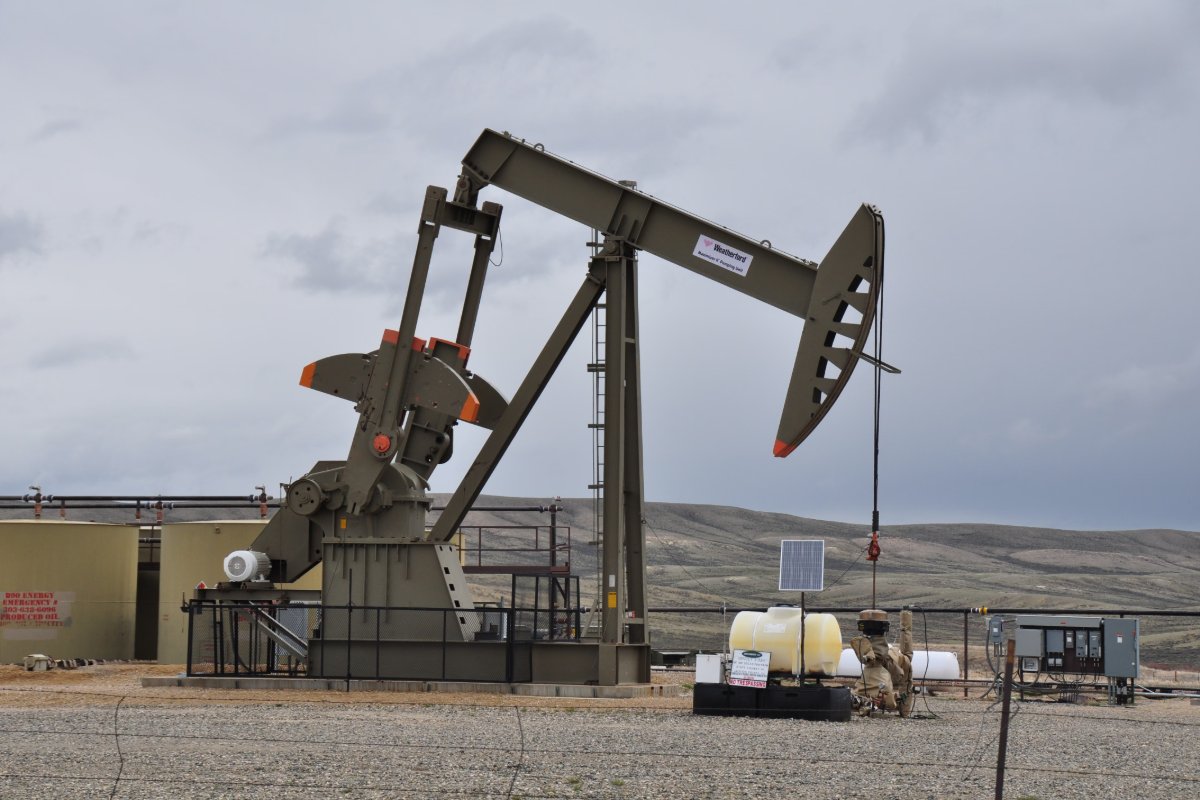
It is a negligence or gross-negligence claim against a company that controlled a well site, a piece of equipment, or a task, and that knew of a hazard that ignited. In Texas the employer is usually shielded by workers’ compensation, so the claim runs against the non-employer companies on location — the operator, the drilling contractor, the well-servicing company, the equipment maker — under Chapter 95 of the Civil Practice and Remedies Code and ordinary premises and product liability law. Damages include medical care, lost earning capacity, disfigurement, physical impairment, pain, and, where a worker died, the claims of the spouse, children and parents under Chapters 71 and 78.
Every explosion needs fuel, oxygen and an ignition source. On a well site the fuel is everywhere — produced gas, condensate, crude vapor, hydrogen sulfide, frac fluid additives — so the case is almost always about ignition and about why the fuel was where it should not have been.
This is the question that decides the case, and Texas answers it with a specific statute. Chapter 95 of the Civil Practice and Remedies Code protects a property owner — which in the oilfield includes the operator holding the lease — from claims by a contractor’s employee injured while constructing, repairing, renovating or modifying an improvement, unless the owner exercised or retained some control over the way the work was done and had actual knowledge of the danger. Both elements must be proven. The Texas Supreme Court has applied Chapter 95 to well sites, and much of the litigation in these cases is about company-man authority, drilling contracts, and the master service agreement’s control language.
Chapter 95 does not protect everyone. Drilling contractors, well-servicing companies, pressure-pumping crews and equipment manufacturers who are not the property owner face ordinary negligence and product liability standards. A manufacturer of a failed valve, hose, treater or BOP component answers under Chapter 82 without any Chapter 95 defense at all.
Then there is the employer. If the employer carries workers’ compensation, the Labor Code bars the tort claim against it, though the family of a worker killed by gross negligence keeps an exemplary-damages claim under section 408.001(b) and the Texas Constitution. If the employer is a non-subscriber — and many South Texas service companies are — the employer can be sued directly and, under Labor Code section 406.033, loses contributory negligence, assumption of the risk and the fellow-servant defenses. We check the non-subscriber status of every employer in every case on the first day.
Well sites are rebuilt fast. What existed the morning of the fire may not exist the following week, so the case is won or lost on what gets preserved.
Texas recognizes a duty to preserve evidence once litigation is reasonably anticipated, and a jury can be told about a company that destroyed what it should have kept. We send that preservation demand the week we are retained.
A serious burn is not a single injury. It is grafting, debridement, contracture release, compression garments, and years of revision surgery, followed by the permanent loss of the ability to work in the heat. Texas law allows recovery for disfigurement and physical impairment as separate elements of damages, and for future medical care proven to a reasonable probability. A life-care planner, a burn surgeon and a vocational economist are part of every catastrophic burn case we handle, because the number that matters is the one that pays for the fortieth year, not the first.
When a worker dies, the surviving spouse, children and parents hold a wrongful-death claim under Chapter 71 of the Civil Practice and Remedies Code, and the estate holds a survival claim for the worker’s own pain before death. Where the employer subscribed to workers’ compensation, the family still has an exemplary-damages claim against that employer for gross negligence, and full claims against every other responsible company. The limitations period is generally two years from the death, and the evidence is gone long before that.
The Eagle Ford runs from the Mexican border through Maverick, Dimmit, La Salle, Webb, McMullen, Atascosa, Karnes, Wilson, Gonzales and DeWitt Counties, and the work that ignites happens at the well pads, tank batteries, saltwater disposal sites and gathering systems along US-57, US-83, US-281, SH-16 and SH-72. Venue usually lies in the county where the explosion occurred or where the defendant keeps its principal Texas office, and the choice between a rural county and Bexar County is a strategic decision we make with the client, not for them.
We also represent Eagle Pass and Maverick County workers on the western edge of the play, and Karnes County workers in its core.
Burn and blast injuries evolve for days. Tell every provider it happened at work and where.
Notify your employer in writing. Do not give a recorded statement to any insurer, operator or safety consultant until you have spoken to a lawyer.
Your monitor, your FR clothing, your phone photos, the names of the crew and the company man. Do not surrender them to anyone.
We will identify the companies on location, send the preservation demand, and check the non-subscriber status of every employer involved. The consultation is free, and fees and case expenses are explained in writing before you decide anything.
Usually yes — not against your employer, but against the operator, the drilling contractor, the service companies and the equipment manufacturers who are not your employer. Workers’ compensation only bars the claim against the company that carried the policy for you. If your employer is a non-subscriber, it can be sued directly.
Chapter 95 of the Texas Civil Practice and Remedies Code shields a property owner from claims by a contractor’s employee unless the owner controlled how the work was done and actually knew of the danger. Operators raise it because it is their best defense; the case is about proving control and knowledge through the contracts, the company man’s authority, and the safety records.
Generally two years from the injury or death under section 16.003 of the Civil Practice and Remedies Code. Some claims and some defendants carry shorter notice requirements, and the evidence disappears far sooner than the deadline, so do not wait.
No. Landowners, neighbors, truck drivers delivering to the site, and independent contractors injured by an explosion all have claims against the responsible companies.
The consultation is free. Injury cases are typically handled on a contingency-fee basis; the fee percentage, and whether you would be responsible for case expenses, are explained in writing before you sign anything.
Different law applies — the Jones Act and general maritime law offshore, and jurisdictional questions across the border. Call us and we will tell you plainly whether the case belongs with us or with a firm that handles those matters.
Rig, flowback and well-site injury cases across the Eagle Ford, including the hours-of-service exceptions.
Learn moreExplosion and injury cases on the western edge of the Eagle Ford, along US-57 and US-277.
Learn moreWhen the employer dropped workers’ comp, it can be sued directly and loses its best defenses.
Learn moreClaims for the spouse, children and parents of a worker killed on the job.
Learn moreThe site is being cleaned up right now. Call for a free consultation and we will move to preserve the evidence today.