
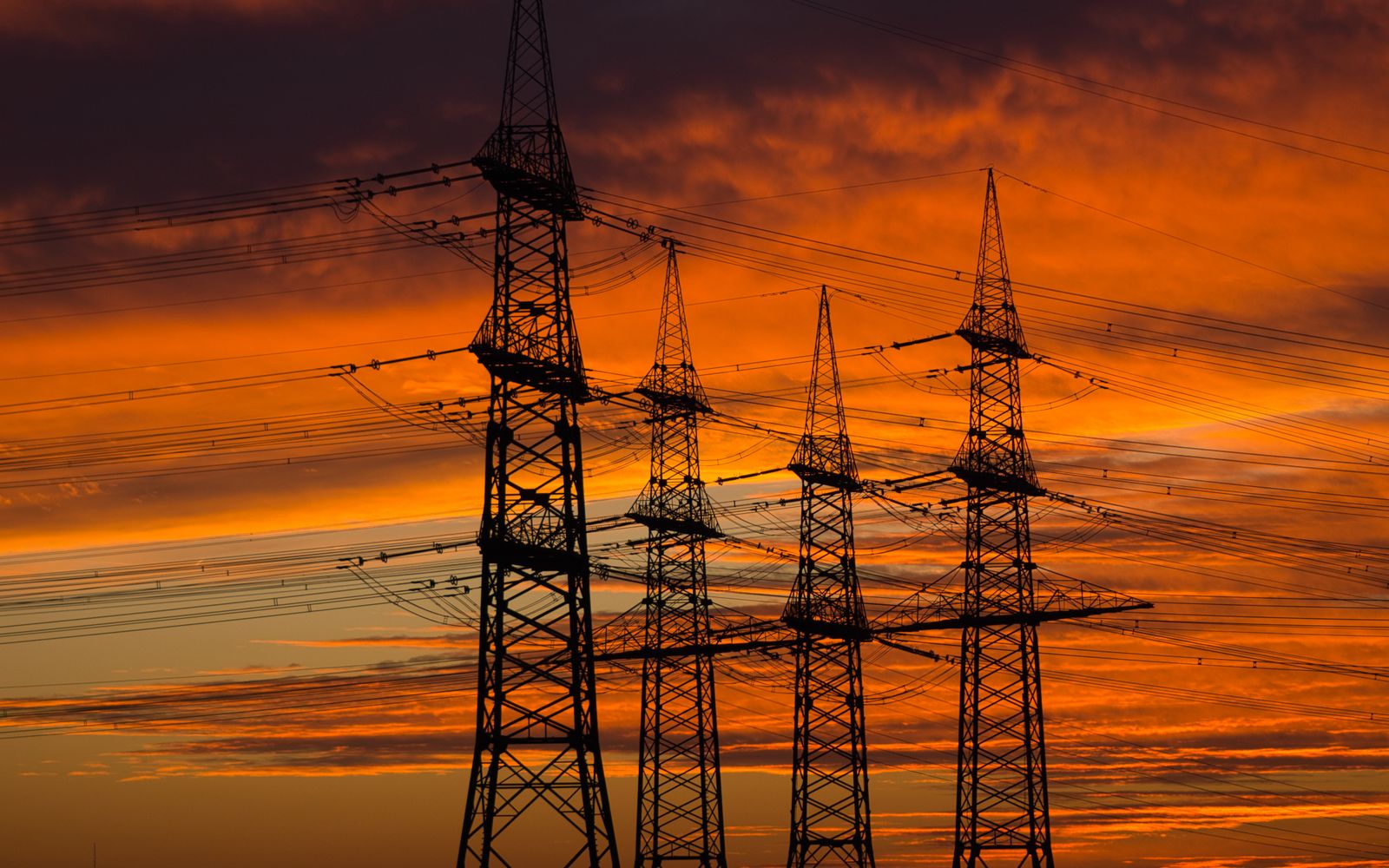
The largest transmission line ever approved in Texas begins at CPS Energy's Howard Road Station in southwest Bexar County and runs roughly 370 miles west to the Permian Basin. Right-of-way acquisition is the next phase. We represent landowners only.
Yes, the Howard–Solstice line is approved. On September 11, 2026 the Public Utility Commission of Texas granted the joint application of AEP Texas and CPS Energy and selected a modified Route 4, with a written order the following week and a direction that the utilities keep working with landowners on route adjustments. For owners on the approved route in Bexar, Medina, Bandera and Atascosa Counties, the routing fight is over and the easement and compensation phase has begun. Survey requests, initial offers and appraisals follow the order; nothing you are handed in that phase is final until you sign it or a Bexar County jury decides it.
Howard–Solstice is the southern leg of ERCOT's Permian Basin Reliability Plan, the first 765 kV lines in Texas. It is a joint project: CPS Energy, the City of San Antonio's municipally owned utility, builds and owns the eastern portion from its Howard Road Station, and AEP Texas, an investor-owned utility, owns the remainder to its Solstice Station in Pecos County. The two companies divide ownership at a point along the route, which matters for landowners because the statutory easement protections differ for a municipal utility and a private one (more below).
As filed, the line crossed Atascosa, Bandera, Bexar, Crockett, Edwards, Kerr, Kinney, Medina, Pecos, Real, Sutton, Terrell, Uvalde and Val Verde Counties. Hundreds of landowners intervened and testified; the Commission's modifications moved parts of the route to follow existing transmission corridors and told the utilities to keep working with owners to avoid bisecting tracts. Rehearing motions have been filed, which can adjust details but historically do not undo an approval of this kind.
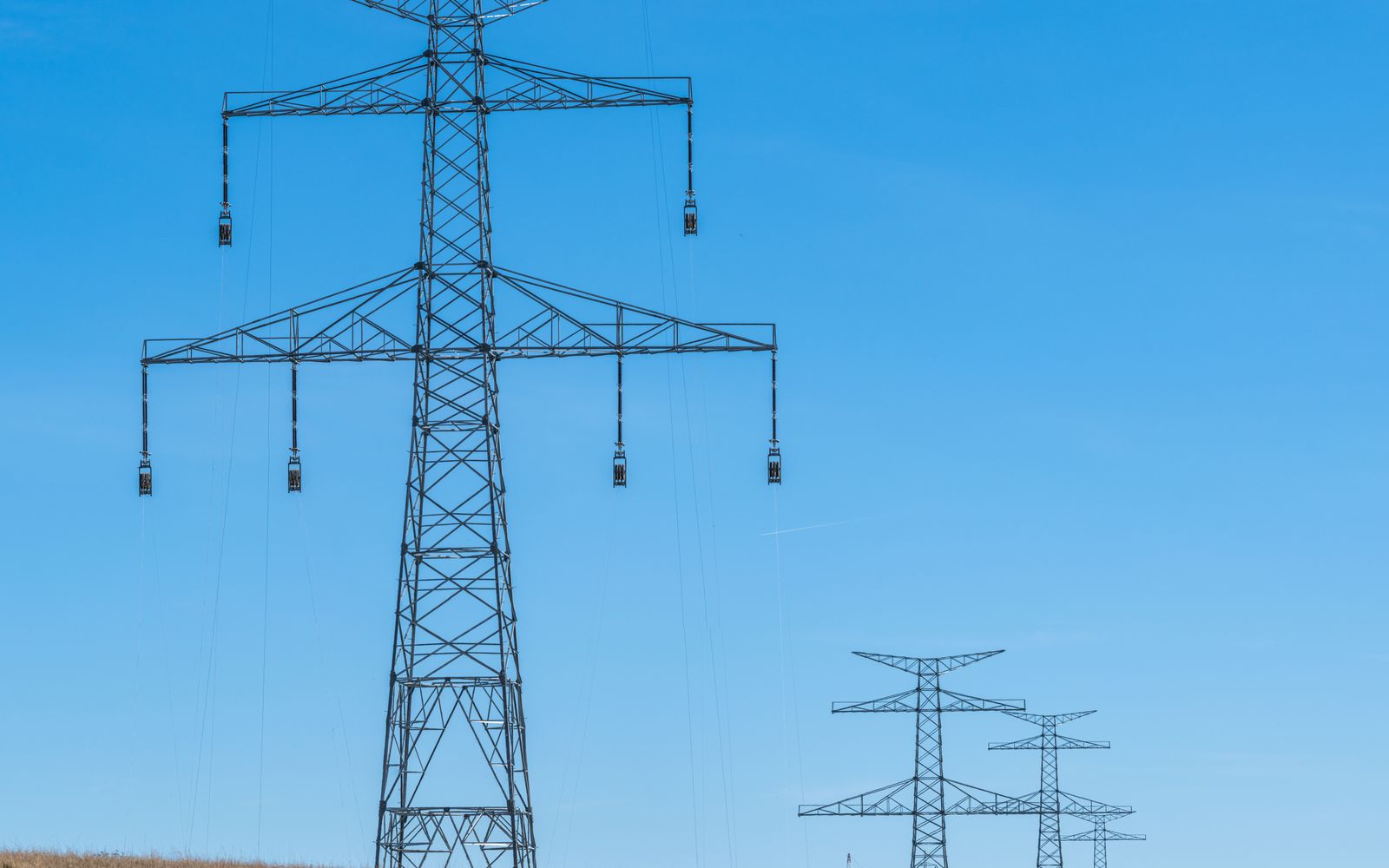 765 kV structures are substantially taller and need a wider right-of-way than the 138 kV and 345 kV lines most Bexar County landowners have seen.
The approval order is on file in PUC Docket 59336. Motions for rehearing can fine-tune the route; the utilities were directed to keep consulting owners on adjustments.
Right-of-way agents contact owners on the centerline for survey access, soil borings and environmental studies. Sign a limited access agreement, not an easement.
The Landowner's Bill of Rights, a written offer, the easement form and a certified appraisal of the strip and the remainder. Property Code § 21.0113.
A final offer at or above the appraisal, 14 days to respond, then a petition in the county where the land lies if no agreement. Special commissioners, award, and jury if either side objects.
Most Bexar County landowners who have dealt with CPS Energy before have seen 138 kV monopoles on a right-of-way near 100 feet. A 765 kV line is a different structure: lattice or guyed towers that can exceed 150 feet, conductor bundles that require a wide clearance zone, and an easement that is correspondingly wider. The width is the first number in the easement, and every other impact scales with it.
Property Code § 21.0114 requires a private entity offering an electric transmission easement to include specified terms: maximum number and height of structures, maximum easement width and exact location, access rights, exclusivity, assignment, restoration and more. AEP Texas is a private entity under that section. CPS Energy, as a municipal utility, may take the position that § 21.0114 does not bind it, though the bona fide offer requirements of § 21.0113 and the Landowner's Bill of Rights apply to both. Owners on the CPS Energy portion near Bexar County should expect a shorter easement form and should negotiate the § 21.0114 terms into it anyway; owners on the AEP Texas portion should check the instrument against the statute line by line. Our Bexar County transmission line page covers the full easement-terms checklist.
Thousands of owners received notices in the routing case. Only parcels on the approved centerline and its easement width face a taking. The order and route maps in Docket 59336 settle this.
A survey access agreement with conditions is reasonable. Anything that fixes price or conveys an interest is not, and the deadline you are given is not the deadline the law sets.
Both are required before a lawful final offer. The appraisal tells you how the utility built its number, which is where a counter-appraisal begins.
Before survey crews, before clearing, before construction. Dated images from fixed points are the best remainder-damage evidence a jury will see.
We read the offer, the appraisal and the easement at no charge and tell you whether the number is defensible and what terms are missing.
Southwest and west Bexar County around the Howard Road Station, Von Ormy, Somerset and the Medina County line; Medina County including Castroville, Hondo and Devine; Bandera County; and Atascosa County. Condemnation suits are filed in the county where the land lies, and the three special commissioners are drawn from that county, so local land-value knowledge matters. For the rest of our condemnation practice, see the eminent domain overview.
Yes. The Public Utility Commission of Texas approved the joint CPS Energy and AEP Texas application on September 11, 2026 and selected a modified version of Route 4, with a written order the following week. Motions for rehearing were filed, and the Commission directed the utilities to keep working with landowners on route adjustments, but the certificate has been granted.
As filed, the route crosses Atascosa, Bandera, Bexar, Crockett, Edwards, Kerr, Kinney, Medina, Pecos, Real, Sutton, Terrell, Uvalde and Val Verde Counties, beginning at CPS Energy's Howard Road Station in southwest Bexar County and ending at AEP Texas's Solstice Station in Pecos County.
The routing case is over, so the Commission will not reopen route selection for an individual parcel. The order did direct the utilities to work with landowners on adjustments that keep structures off grassland and avoid bisecting tracts, so a well-documented request made early in the right-of-way phase can sometimes shift a structure location or access road within the approved corridor. The compensation and easement terms remain fully contestable.
765 kV lines require a substantially wider right-of-way than the 138 kV lines common in Bexar County, with structures that can exceed 150 feet. The exact width is a term of the easement instrument and should be stated as a fixed number tied to a surveyed centerline. Width is the first thing we check in any Howard–Solstice offer.
Generally each side pays its own fees, though a condemnor that fails to make a bona fide offer or that dismisses its case can be ordered to pay the owner's fees and costs. Our initial review of the offer and the easement is free, and fee arrangements for representation are explained in writing before you decide.
The line begins at CPS Energy's Howard Road Station in southwest Bexar County and runs west and northwest out of the metro area. The affected Bexar County parcels are primarily rural and semi-rural tracts on the south and west sides of the county rather than inside the developed city.
Every CPS Energy and AEP line docket touching Bexar County, the PUC-to-jury timeline and the easement-terms checklist.
Learn moreAdequate compensation, the bona fide offer, special commissioners and trial under Chapter 21.
Learn moreTxDOT and transmission-line condemnations in Comal, Guadalupe and Kendall Counties.
Learn moreCommon-carrier status, the section 21.0114 easement terms, and remainder damage on ranch land.
Learn moreOffer letters carry deadlines. Call for a free review of the offer, the appraisal, and the easement terms.